
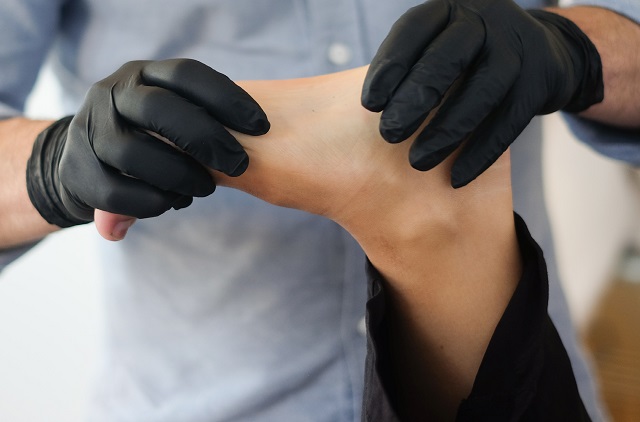
Joint manipulation is a hands-on technique used by physiotherapists to help improve joint mobility and reduce pain. It involves the passive movement of a joint beyond its normal range of motion, with the goal of stretching the surrounding tissues and improving joint function.
During a joint manipulation treatment, the physiotherapist will use their hands to apply a quick, controlled force to the affected joint. This force can help to loosen up any adhesions or scar tissue that may be limiting joint mobility, as well as reduce muscle tension and improve blood flow to the affected area.
Joint manipulation is often used to treat conditions such as joint stiffness, arthritis, and back pain. It can also be used to help improve athletic performance by increasing joint mobility and flexibility.
It is important to note that joint manipulation should only be performed by a trained and licensed physiotherapist, as incorrect technique or excessive force can cause injury. Patients should also inform their physiotherapist if they have any injuries or medical conditions that may be affected by joint manipulation, such as osteoporosis or joint hypermobility.
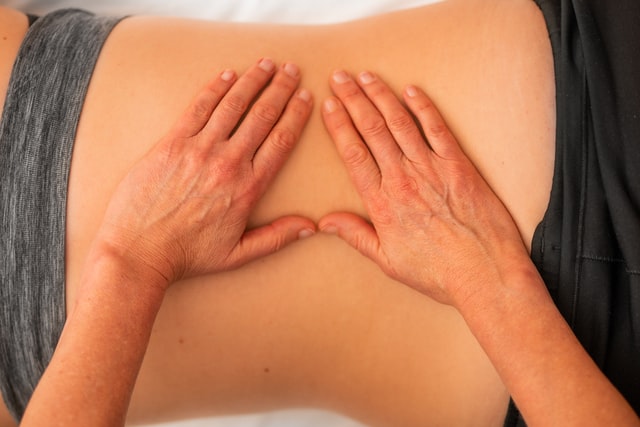
Spine manipulation, also known as spinal manipulation, is a hands-on technique used by physiotherapists to help relieve pain and improve spinal mobility. It involves the application of a controlled force to the spine, with the goal of realigning the vertebrae and reducing pressure on the surrounding nerves and tissues.
During a spine manipulation treatment, the physiotherapist will use their hands to apply a quick, controlled force to the affected vertebrae. This force can help to loosen up any adhesions or scar tissue that may be limiting spinal mobility, as well as reduce muscle tension and improve blood flow to the affected area.
Spine manipulation is often used to treat conditions such as neck pain, back pain, and sciatica. It can also be used to help improve spinal alignment and posture.
It is important to note that spine manipulation should only be performed by a trained and licensed physiotherapist, as incorrect technique or excessive force can cause injury. Patients should also inform their physiotherapist if they have any injuries or medical conditions that may be affected by spine manipulation, such as osteoporosis or herniated discs.
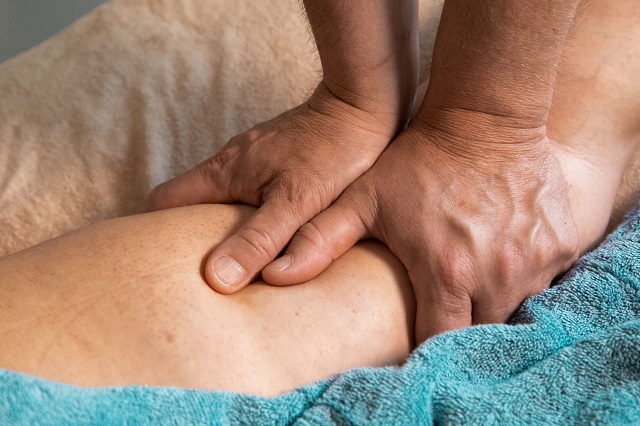
Muscle massage, also known as soft tissue massage or manual therapy, is a hands-on technique used by physiotherapists to help relieve pain, reduce muscle tension, and improve range of motion. It involves the application of pressure and manipulation to the soft tissues of the body, including muscles, tendons, ligaments, and fascia.
During a muscle massage treatment, the physiotherapist will use their hands or other specialized tools to apply pressure and manipulate the soft tissues of the affected area. This can help to break up adhesions or scar tissue, improve blood flow, and reduce muscle tension.
Muscle massage is often used to treat conditions such as back pain, neck pain, and headaches, as well as sports injuries and postural imbalances. It can also be used to help improve athletic performance by reducing muscle tension and promoting muscle recovery.
It is important to note that muscle massage should only be performed by a trained and licensed physiotherapist, as incorrect technique or excessive pressure can cause injury. Patients should also inform their physiotherapist if they have any injuries or medical conditions that may be affected by muscle massage, such as fractures or blood clots.

Exercise and stretching are two important components of physiotherapy that can help improve strength, flexibility, and mobility, as well as reduce pain and prevent injury. Physiotherapists may prescribe specific exercises and stretches to target the affected area and help the patient achieve their goals.
Exercise therapy involves the use of physical activity to improve strength, endurance, and range of motion. This can include activities such as resistance training, cardiovascular exercise, and balance training. Exercise therapy can be used to treat a wide range of conditions, including arthritis, back pain, and sports injuries.
Stretching, on the other hand, involves the deliberate lengthening of muscles and connective tissues to improve flexibility and range of motion. This can include activities such as static stretching, dynamic stretching, and proprioceptive neuromuscular facilitation (PNF) stretching. Stretching can be used to treat conditions such as muscle tightness, joint stiffness, and postural imbalances.
Both exercise and stretching should be performed under the guidance of a trained and licensed physiotherapist to ensure proper technique and avoid injury. The physiotherapist may tailor the exercise and stretching program to the patient's individual needs and goals, taking into account factors such as age, fitness level, and medical history.
It is important to note that exercise and stretching should be performed regularly and consistently to achieve maximum benefits. Patients should also be aware of the potential risks and contraindications of each modality, such as overuse injuries or exacerbation of certain medical conditions.
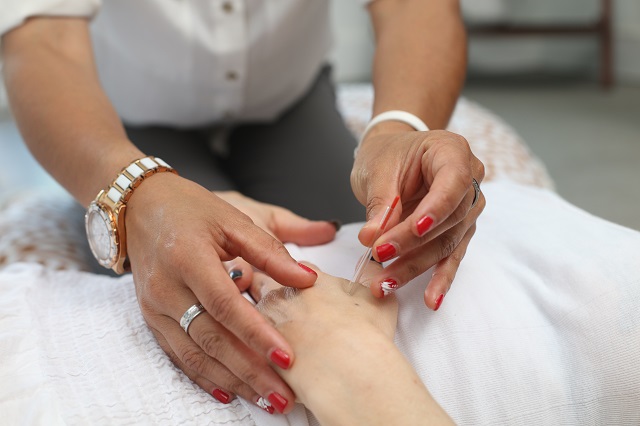
Dry needling is a technique used by physiotherapists to treat myofascial pain and trigger points. It involves the insertion of a thin, sterile needle into the skin and underlying muscle tissue without injecting any fluid.
During a dry needling treatment, the physiotherapist will locate the trigger point, which is a small, tight knot of muscle fibers that can cause pain and discomfort. The needle is then inserted into the trigger point, causing a small twitch response in the muscle. This twitch response can help to release tension and promote healing.
The effectiveness of dry needling is based on the theory that the needle causes a micro-trauma in the muscle tissue, which stimulates a healing response. Dry needling can also help to increase blood flow to the affected area, reduce inflammation, and promote the release of endorphins, which are natural pain-relieving chemicals in the body.
Dry needling is often used to treat conditions such as neck pain, shoulder pain, low back pain, headaches, and tendonitis. It can also be used to treat chronic pain conditions such as fibromyalgia.
It is important to note that dry needling is a relatively safe treatment when performed by a trained and licensed physiotherapist. However, like any medical procedure, there are some risks involved, such as bleeding or infection at the needle insertion site. Patients should also be aware that some soreness or discomfort may be experienced after the treatment, but this is usually temporary.
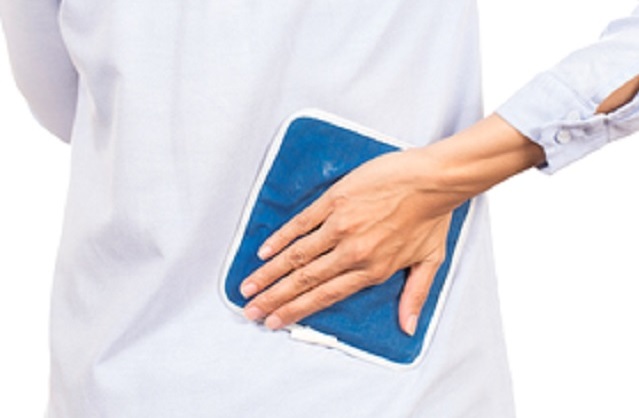
Heat and cold therapy are common modalities used by physiotherapists to help manage pain, inflammation, and muscle tension. Heat therapy involves the application of warmth to an affected area, while cold therapy involves the application of cold.
Heat therapy can help to improve blood flow to the affected area, which can promote healing and reduce muscle tension. It can also help to increase joint flexibility and range of motion. Common heat therapy modalities include hot packs, warm towels, and heating pads.
Cold therapy, on the other hand, can help to reduce inflammation and pain by constricting blood vessels in the affected area. It can also help to reduce muscle spasms and swelling. Common cold therapy modalities include ice packs, cold compresses, and frozen gel packs.
Physiotherapists may recommend the use of heat or cold therapy depending on the patient's condition and symptoms. For example, heat therapy may be recommended for chronic conditions such as arthritis, while cold therapy may be recommended for acute injuries such as sprains or strains.
It is important to note that heat and cold therapy should be used with caution and under the guidance of a trained physiotherapist. Patients should also be aware of the potential risks and contraindications of each modality, such as using heat therapy on areas with impaired sensation or using cold therapy on areas with poor circulation.
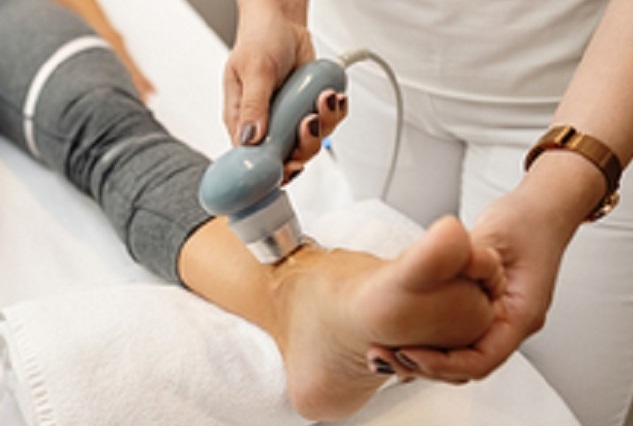
Ultrasound is a common modality used in physiotherapy to aid in the healing process of soft tissue injuries. Ultrasound uses high-frequency sound waves to penetrate the skin and target deep tissue structures such as muscles, tendons, and ligaments.
During an ultrasound treatment, a therapist will apply a special gel to the skin, and then use a small handheld device called an ultrasound probe to apply sound waves to the injured area. The sound waves cause the tissues to vibrate, creating heat and increasing blood flow to the area. This increase in blood flow can help to reduce pain and inflammation, as well as promote healing by delivering nutrients and oxygen to the affected tissues.
Ultrasound can also be used to break down scar tissue, which can help to improve flexibility and range of motion. It is often used in the treatment of conditions such as sprains, strains, tendonitis, and bursitis.
It is important to note that ultrasound is a passive treatment, meaning that the patient does not need to actively participate. However, it is often used in conjunction with other active treatments such as exercise and stretching to achieve the best possible outcome. Additionally, ultrasound is generally considered safe when used appropriately by a trained professional.
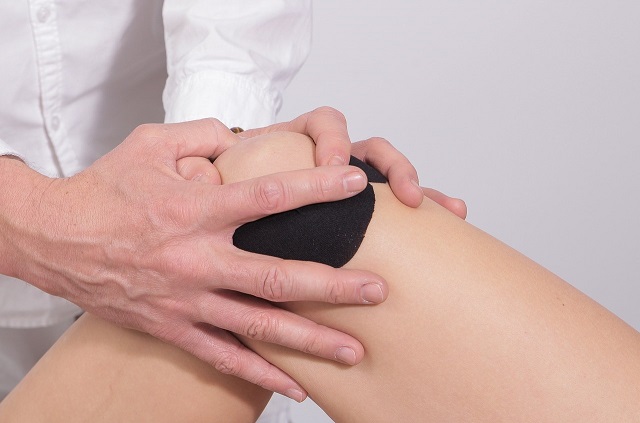
Sports taping is a technique used by physiotherapists to provide support and stability to injured joints and muscles during physical activity. It involves the application of a specialized tape to the affected area in a specific pattern, with the goal of improving joint alignment, reducing pain, and preventing further injury.
During a sports taping treatment, the physiotherapist will assess the affected joint or muscle and determine the appropriate taping technique and pattern. The tape is then applied to the affected area using a specific tension and stretch, which can help to provide support and reduce pain.
Sports taping is often used to treat conditions such as ankle sprains, knee injuries, and shoulder injuries. It can also be used to help improve athletic performance by providing support and stability to muscles and joints during physical activity.
It is important to note that sports taping should only be performed by a trained and licensed physiotherapist, as incorrect technique or application can cause injury. Patients should also inform their physiotherapist if they have any allergies or skin sensitivities that may be affected by the tape.